School Carnival Ideas in Dubai: Games, Booths and Planning Checklist
Planning a school carnival is a great way to bring students, teachers and families together outside the usual classroom routine. The best events give children plenty to do, make it easy for parents to participate and help school staff manage the day without unnecessary stress.
If you are looking for school carnival ideas in Dubai, start by thinking about the students’ ages, available space, event duration and the number of people expected to attend. You do not need dozens of complicated attractions to create an enjoyable event. A well organised mix of games, creative activities, food stations and group entertainment can work just as well.
This guide covers practical school carnival games, booth ideas, equipment, layout tips and a planning checklist for schools and parent committees in Dubai and across the UAE.
1. Choose a Theme That Works for Your School
A theme makes it easier to bring decorations, activities and booth names together. It also gives students something to look forward to before the event.
Here are a few options to consider:
Colour carnival: Give each activity zone a different colour and use matching signs, table decorations and simple challenges.
Around the world: Create activity booths inspired by different countries, with school approved games, crafts and displays.
Sports and teamwork: Include target games, relay challenges, team competitions and activities that encourage students to work together.
Creative arts carnival: Set up drawing, colouring, craft making and hands on activities for students who prefer creating something rather than competing.
Classic school fair: Combine familiar carnival games, prize tables, food stations and a photo area.
Choose a theme that suits your school community, available budget and event space. It should make planning easier, not create extra work for the organisers.
2. School Carnival Games Students Will Enjoy
The best school carnival games are easy to understand, quick to play and suitable for the intended age group. A good mix allows students to move between activities rather than waiting in one long queue.
Ring Toss
Set up a target area with rings and clearly marked scoring zones. Students can try to land a ring around a target to earn points or a small prize.
This game works well for a compact booth and can be adjusted for different ages by changing the throwing distance.
Beanbag Toss
Place numbered targets or containers at different distances. Students throw beanbags towards the targets and collect points according to where they land.
Use lightweight equipment and keep the throwing area separate from the queue so other children do not walk through the game.
Lucky Dip Prize Booth
Prepare a selection of small, age appropriate prizes. Students draw a ticket or choose a covered item to discover what they have won.
This is easy to manage when prizes are sorted in advance and the rules are displayed clearly.
Mini Bowling
Arrange lightweight pins at the end of a short lane. Students roll a soft ball and try to knock down as many pins as possible.
Keep the lane clear and use equipment suited to the students’ ages.
Puzzle and Challenge Station
Offer simple puzzles, matching games, memory challenges or timed team tasks. These activities provide an alternative to physical games and can be adapted for different learning levels.
Basketball or Target Throw
Use a suitable target and soft balls to create a short throwing challenge. Mark the standing line and provide enough room for students to take turns safely.
Scavenger Hunt
Give students a list of items, colours or clues to find around an approved area. For younger students, use pictures and simple clues. For older groups, add riddles or teamwork challenges.
Keep the activity within a defined boundary, and make sure students understand where they can and cannot go.
Photo Booth
Create a themed photo area with props, a colourful background and space for small groups. It gives families a chance to capture memories without requiring a complicated activity.
For school events, confirm how photographs will be taken and shared, particularly where children are involved.
3. Creative School Fair Booth Ideas
A carnival does not have to be made up entirely of games. Creative booths give students more ways to participate and help keep the event interesting for different personalities and age groups.
Arts and Crafts
Set up a table where students can colour, draw, make paper crafts or decorate simple items. Prepare materials in advance and organise them into individual activity sets to make the booth easier to run.
HaflaRental offers an arts and crafts activity option for children’s events, which schools can review if they need a structured activity setup.
Face Painting
Face painting can be a popular addition to a themed school carnival. Choose a suitable space, manage the queue and confirm that the products and process are appropriate for the children attending.
An alternative is a temporary tattoo or sticker station, which may be simpler to manage for a busy event.
Student Talent Corner
Invite students to perform a short song, dance, drama scene, spoken word piece or other school approved act. A timetable helps participants know when to arrive and prevents the performance area from becoming crowded.
Keep performances short enough to allow several students or groups to take part.
Build and Create Challenge
Provide building blocks, recycled craft materials or simple construction challenges. Students can work individually or in teams to create a structure within a set time.
Make sure all materials are age appropriate and that small parts are not used with children who may put them in their mouths.
School Community Display
Give classes an opportunity to display artwork, projects or group creations. This is particularly useful when the carnival is intended to celebrate student achievements as well as provide entertainment.
4. Plan Activities According to Age Group
One activity will not suit every student. Younger children may need simple games with shorter turns, while older students often enjoy more challenging activities or team competitions.
| Age group | Suitable activity ideas | Planning considerations |
| Preschool children | Colouring, beanbag toss, simple ring toss, supervised sensory activities | Short turns, simple instructions and close supervision |
| Primary school students | Mini bowling, scavenger hunts, craft booths, target games | A mix of individual and team activities |
| Older students | Team challenges, quizzes, puzzle stations, talent performances | Clear rules, appropriate challenge levels and student leadership opportunities |
| Mixed age groups | Photo booth, art display, selected carnival games and family challenges | Adjust difficulty and provide alternatives where needed |
Use this table as a starting point rather than a strict age rule. Teachers and organisers should consider individual needs, accessibility and the suitability of each activity.
Where possible, provide a quieter activity area for students who may find crowded or noisy spaces uncomfortable.
5. Decide Which Equipment You Need
Once the activities are selected, make a list of the equipment required for each booth. This prevents organisers from arranging attractions without considering the space, furniture or practical setup they need.
A basic school carnival equipment list may include:
- Tables for game stations, registration and prizes
- Chairs for volunteers and designated seating areas
- Booth signs and activity instructions
- Game materials and age appropriate prizes
- Waste bins and cleaning supplies
- Queue markers or floor signs where appropriate
- Water and refreshment arrangements
- First aid arrangements managed by the school
- Extension leads or power access only where needed and approved
- A backup plan for weather or equipment issues
The final list depends on the venue, attendance and activities selected. Ask the venue what is already available before renting additional equipment.
For furniture, schools can review table and chair rental options in Dubai and compare the available items with their seating and booth requirements.
If the carnival includes a snack station, a popcorn machine rental option may also be worth considering. Before booking any food equipment, confirm the serving arrangements, space, power requirements and applicable school or venue rules.
6. Should You Include Inflatable Games?
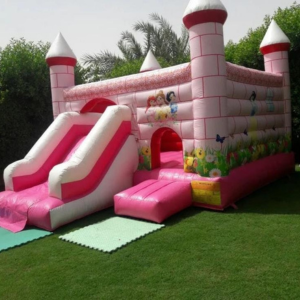
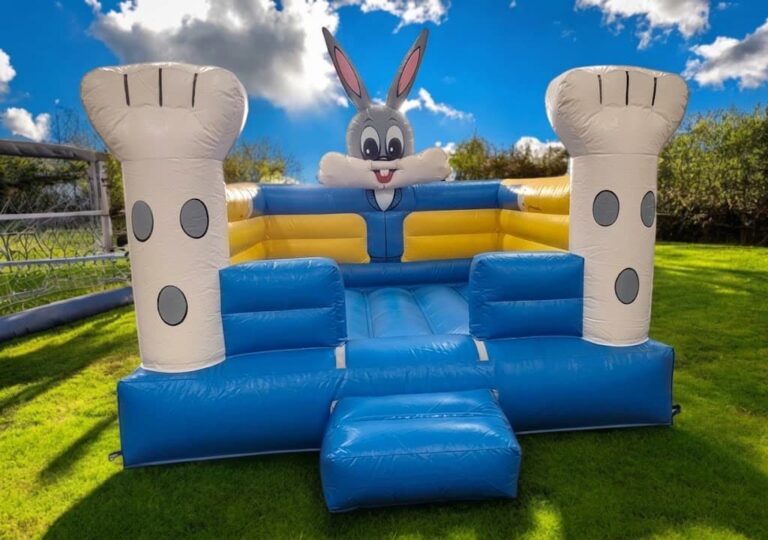
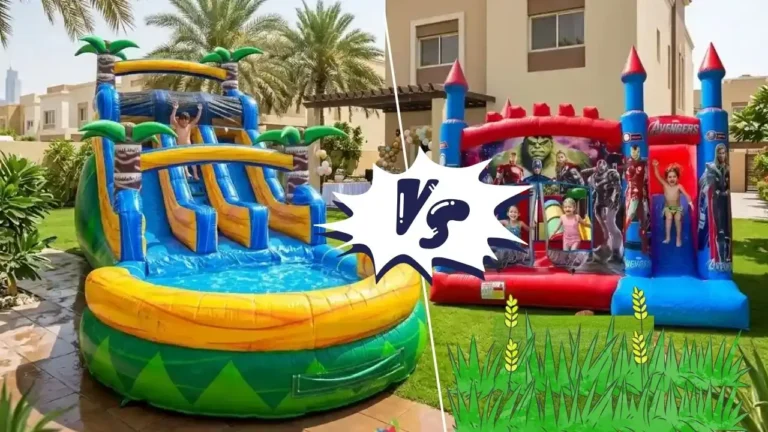
Inflatable attractions can create a focal point at a school carnival, particularly when the event has enough space for active play. However, they need more planning than a small tabletop game.
Before choosing an inflatable, consider:
- The available installation area and access route
- The manufacturer’s or supplier’s stated age, height and capacity limits
- The ground surface and anchoring requirements
- Power access, where applicable
- Supervision and entry arrangements
- Separation from food stations, walkways and other activities
- The venue’s approval and any relevant operating requirements
Do not select an inflatable based only on its appearance. The equipment must fit the venue and the students who will use it.
Schools can review bouncy castle rental options in Dubai to understand the types of inflatables available. Confirm the exact dimensions, suitability, installation requirements and supervision arrangements with the supplier before making a decision.
7. Organise the Carnival Layout and Guest Flow
A good layout makes the event easier to understand. Students should be able to find their next activity without walking through a game in progress or blocking the food area.
Where space allows, divide the venue into clear zones:
Entry and information: Place registration, event information and the timetable near the entrance. Make it easy for families to understand where to go first.
Game booths: Group similar activities together while leaving enough room for queues and players.
Creative activities: Keep crafts and other table based activities in an area where students can sit and work comfortably.
Food and refreshments: Position food stations where guests can reach them without blocking entrances, exits or busy activity areas.
Seating and quiet space: Provide a place for students and adults to take a break.
Performance area: If the carnival includes a stage or talent corner, make sure the audience can gather without blocking circulation routes.
A simple site plan can help. Draw the venue outline, mark entrances and exits, add each activity zone and identify power points or restricted areas before finalising the layout.
Leave clear access routes and follow the venue’s instructions for emergency access, fire safety and crowd management.
8. Create a Volunteer and Staffing Plan
Even a simple carnival can become difficult to manage if everyone assumes someone else is responsible for a task.
Assign a lead person to each major area and give volunteers clear instructions before the event starts.
| Role | Main responsibility |
| Event coordinator | Oversees the schedule and handles major decisions |
| Registration team | Welcomes guests and shares event information |
| Game booth volunteers | Explain rules, manage turns and organise materials |
| Activity coordinators | Support crafts, performances and group activities |
| Food station team | Manages serving arrangements and keeps the area organised |
| Equipment team | Checks setup, reports problems and coordinates with suppliers |
| Cleanup team | Collects materials, checks the venue and manages pack down |
Use volunteer shifts if the event lasts several hours. This gives people a chance to take breaks and reduces the risk of booths being left unattended.
Share the event timetable, contact details for the team leads and the process for reporting a problem before the carnival begins.
9. Prepare a Simple School Carnival Schedule
A timetable helps the school coordinate activities, performances, refreshments and volunteer shifts. The example below is for a three hour event and should be adjusted to suit the actual venue and audience.
| Time | Activity |
| 9:00 AM to 9:15 AM | Guest arrival and welcome |
| 9:15 AM to 9:25 AM | Opening announcement and event instructions |
| 9:25 AM to 10:20 AM | First round of games and activity booths |
| 10:20 AM to 10:35 AM | Refreshment break |
| 10:35 AM to 11:20 AM | Second round of activities and performances |
| 11:20 AM to 11:40 AM | Group challenge or final activity |
| 11:40 AM to 12:00 PM | Closing announcements and guest departure |
These times are an example, not a required schedule. For a larger school, consider staggered class visits or activity rotations to reduce queues.
Allow enough time for setup before guests arrive and pack down after the event ends.
10. Plan the Budget Before Booking
A school carnival budget should reflect the actual event plan rather than an arbitrary spending target.
Start by listing the costs that apply to your event:
- Venue or facility costs, if applicable
- Activity equipment and materials
- Tables, chairs and other furniture
- Decorations and signs
- Food and refreshments
- Prizes
- Staffing or specialist activity providers
- Cleaning and waste arrangements
- Any required approvals or permits
- A contingency allowance for unexpected costs
Ask suppliers for written quotations and check what is included. Delivery, installation, attendants, operating time and collection may be treated differently by different providers.
If the carnival is a fundraiser, decide in advance how tickets, donations or sales will be handled. Keep records and make the arrangements transparent to the school community.
11. Check School Approvals and Safety Requirements
Before announcing the event, confirm the school’s approval process and the venue’s requirements.
Dubai’s Knowledge and Human Development Authority (KHDA) publishes guidance and services relating to private school event activities and programmes. Its school activity guidance states that schools are responsible for ensuring relevant permissions and health and safety arrangements are in place. You can review the official KHDA school activity approval information.
For events that fall within Dubai’s event permitting requirements, the Department of Economy and Tourism provides an official event permit application service. Whether a permit is needed depends on the event and the organiser’s circumstances, so confirm the applicable requirements rather than assuming every school carnival follows the same process.
Before the event, the school and venue should also confirm:
- Emergency exits and access routes remain clear
- Activities are appropriate for the students taking part
- Equipment is checked and installed according to supplier instructions
- Supervision responsibilities are assigned
- First aid and emergency contacts are known to the team
- Food handling and waste arrangements meet applicable requirements
- Parents receive any required event information and consent forms
For inflatable attractions, do not rely on a general statement that equipment is safe. Ask the supplier about the specific equipment, operating limits, installation and supervision arrangements.
12. School Carnival Planning Checklist
Use this checklist to track progress from the first planning meeting to the final cleanup.
Before the event
- Confirm the date, venue and event objectives.
- Identify the student age groups and expected attendance.
- Choose the theme and select the activities.
- Check the school’s approval process and venue requirements.
- Prepare a layout and activity timetable.
- Create the equipment and materials list.
- Confirm supplier quotations, delivery and setup details.
- Prepare the budget and arrange prizes.
- Assign volunteer roles and shifts.
- Share relevant instructions with staff and parents.
- Prepare a weather or venue contingency plan.
On the event day
- Check the venue before guests arrive.
- Confirm booths, signs and activity materials are ready.
- Check that access routes and exits remain clear.
- Brief volunteers and confirm their responsibilities.
- Check equipment and supervision arrangements.
- Keep registration and guest information organised.
- Monitor queues and adjust activity flow where needed.
- Keep refreshments and waste areas organised.
After the event
- Check that all students and visitors have left safely.
- Return or pack equipment according to supplier instructions.
- Clean the venue and remove waste.
- Reconcile ticket sales, expenses or fundraising records.
- Collect feedback from staff, volunteers and families.
- Record what worked well and what should change next time.
Final Thoughts
A successful school carnival does not depend on having the largest number of attractions. It depends on choosing activities that suit the students, planning a layout that works, assigning clear responsibilities and checking the practical details before the day arrives.
Start with a manageable selection of games and creative booths. Add equipment only where it serves a clear purpose, prepare volunteers properly and give yourself enough time to check approvals and safety arrangements.
With a clear plan and the right mix of activities, schools in Dubai can create a carnival that students enjoy and organisers can manage with confidence.
Frequently Asked Questions
What are the best school carnival ideas for primary school students?
Ring toss, beanbag toss, mini bowling, scavenger hunts, arts and crafts, photo booths and simple team challenges are useful starting points. Choose activities according to students’ ages, available space and supervision needs.
How do you plan a school carnival in Dubai?
Start with the school calendar, venue, event objectives and expected attendance. Then choose activities, prepare a layout, confirm equipment and volunteers, check applicable approvals and safety requirements, and create a schedule and backup plan.
What equipment is needed for a school carnival?
The list may include tables, chairs, game materials, booth signs, prizes, waste bins, refreshments and any specialist attractions selected for the event. The exact requirements depend on the activities, venue facilities and number of attendees.
How can a school carnival keep children engaged?
Offer a variety of activities rather than relying on one attraction. Combine physical games, creative booths, group challenges and performances, and make sure students can move between activities without spending most of their time waiting in queues.
Should a school carnival include inflatable games?
Inflatables can be considered when the venue has suitable space and the school can confirm installation, supervision and operating requirements. Check the equipment specifications and venue approval before booking.
How far in advance should a school start planning?
Start as early as the school’s calendar and approval process require. Larger events may need more time to coordinate the venue, suppliers, volunteers and communications. Confirm supplier availability before announcing attractions that have not yet been booked.
Does every school carnival in Dubai need an event permit?
Not necessarily. Requirements depend on the type of event, organiser, venue and applicable rules. The school should confirm the process with the relevant authority and venue before finalising the event.