Carnival Booth Ideas for Kids: Games, Prizes and Setup Tips
Planning a school fair, community event or kids’ carnival in Dubai? The right carnival booths can turn a simple gathering into an enjoyable experience for children and families. You do not need a complicated setup or an expensive budget to make the event memorable. A few well planned games, attractive prizes and an organised layout can make a big difference.
The best carnival booth ideas are easy to understand, suitable for different age groups and simple for volunteers to manage. Before choosing activities, consider your available space, expected number of children and the time you have for setting up each booth.
This guide covers fun carnival games for kids, prize suggestions, booth setup tips and practical ways to keep your school fair organised.
What Makes a Good Carnival Booth?
A successful booth gives children a clear activity to enjoy without making them wait too long. Games should have simple rules, visible instructions and equipment that volunteers can manage easily.
When planning kids carnival booth ideas, consider these factors:
- Easy to play: Kids should pick up the rules in no time.
- Age Appropriate: Offer a range of activities for younger children and older pupils.
- Costs under control: Try to select games made of reusable materials as much as feasible.
- Plenty of room: Let kids play securely without getting in the way of other booths.
- Quick turns: Activities lasting a minute or two can help cut down on lines.
- Simple supervision: Volunteers should be able to explain the rules and manage the game.
A booth does not need elaborate decorations to attract attention. A clear sign, colourful display and friendly volunteer can be enough to encourage children to participate.
8 Carnival Booth Ideas for Kids
You can create an enjoyable carnival using simple games, craft activities and small challenges. Choose a variety of options so children can try something different at each stall.
1. Ring Toss
Ring throw is a popular carnival game and is perfect for a school fair or community function. Set up some bottles, cones or solid objects at varying distances and give each youngster a certain number of rings.
You can make the game more interesting by assigning different points to each target. Nearby targets can be easier for younger children, while older participants can try targets placed farther away.
What you need: Rings, stable targets, a marked throwing line and a small table for prizes.
Setup tip: Keep the throwing area clear and make sure the targets cannot fall easily when hit.
2. Beanbag Toss
A beanbag toss is another simple option for school carnival stalls. Set up a board or containers with openings of different sizes. Children earn points by landing beanbags in the targets.
This activity is easy to explain and can be adjusted for different skill levels. Larger openings make the game easier, while smaller targets offer more of a challenge.
What you need: Soft beanbags, target boards or containers, floor markers and a score sheet if required.
Setup tip: Use soft materials and provide enough distance between the throwing line and waiting children.
3. Mini Bowling
Mini bowling gives children a chance to knock down lightweight pins using a small ball. You can set it up indoors or outdoors on a reasonably flat surface.
Arrange the pins in a triangle and let each participant roll the ball from a marked starting point. Decide whether children get one or two attempts per turn and explain the scoring before the game begins.
What you need: Lightweight pins, a suitable ball and floor markers.
Setup tip: Keep the bowling lane away from walking routes so the ball does not roll into other activities.
4. Lucky Dip Prize Booth
A lucky dip booth adds excitement because children do not know which small prize they will receive. Place age appropriate gifts in a decorated box or container and let each participant pick one.
You can use stationery, stickers, colouring supplies, small toys or other suitable items. Keep prizes similar in value so every child has a positive experience.
What you need: A decorated container, wrapped prizes and a table.
Setup tip: Check all items for age suitability and avoid small objects that could pose a choking risk to young children.
5. Arts and Crafts Booth
Not every carnival activity needs to be competitive. An arts and crafts booth gives children a quieter activity where they can create something to take home.
Depending on the age group, the children can design bookmarks, do basic paper crafts, or colour in themed pictures. Get materials ready ahead of time so attendees can get started without waiting for instructions.
For equipment and activity inspiration, explore arts and crafts activities for events.
What you need: Paper, crayons, washable markers, child friendly craft materials and table coverings.
Setup tip: Keep the materials organised in separate containers and provide a designated space for completed crafts.
6. Guess the Number
Fill a transparent container with safe, similar sized objects and ask children to guess how many it contains. The closest guess wins a small prize, either immediately or at a scheduled time.
This booth needs little space and can be managed by one volunteer. It is also useful when you want an activity that does not require a long playing area.
What you need: A transparent container, suitable objects, entry slips and a pen.
Setup tip: Write down the correct answer before the event begins and explain how ties will be handled.
7. Puzzle and Matching Challenge
Create a simple puzzle station with picture matching cards, word puzzles or age appropriate brain teasers. Children can complete a challenge individually or work in small groups.
Prepare different difficulty levels to keep the activity accessible. Younger children may enjoy picture matching, while older students can try more challenging puzzles.
What you need: Printed cards, puzzles, pencils and a table.
Setup tip: Keep spare copies available so the booth can continue operating if materials are misplaced or damaged.
8. Popcorn and Refreshment Booth
A refreshment booth can complement the games and give families a place to pause. Popcorn is a familiar choice for many school and community events, although organisers should check school rules, food arrangements and allergy requirements before offering refreshments.
If you plan to include popcorn, review the available popcorn machine rental option and confirm the equipment, operator requirements and setup arrangements in advance.
What you need: Approved food equipment, serving supplies, waste bins and a designated serving area.
Setup tip: Keep food preparation separate from active games and follow the venue’s hygiene and safety requirements.
Carnival Booth Ideas Compared
Before finalising your school fair booth ideas, compare the space, equipment and supervision each activity requires.
| Booth idea | Space needed | Main materials | Supervision |
| Ring toss | Small | Rings and targets | One volunteer |
| Beanbag toss | Small to medium | Beanbags and target board | One volunteer |
| Mini bowling | Medium | Pins and ball | One volunteer |
| Lucky dip | Small | Prize container and gifts | One volunteer |
| Arts and crafts | Medium | Craft supplies and tables | One or two volunteers |
| Guess the number | Small | Container and entry slips | One volunteer |
| Puzzle challenge | Small to medium | Puzzles and cards | One volunteer |
| Refreshment booth | Medium | Approved equipment and serving supplies | Based on service needs |
These are general planning estimates rather than fixed requirements. The actual space will depend on the venue, the number of participants and how the booth is arranged.
How to Plan Carnival Prize Ideas
Prizes give children another reason to participate, but you do not need to spend heavily to make them appealing. The most suitable carnival prize ideas are affordable, age appropriate and easy to distribute.
Consider options such as:
- Stickers and stationery
- Colouring books and pencils
- Small craft kits
- Certificates or participation cards
- Suitable toys for the intended age group
- Extra points or tokens that children can exchange for a small gift
You can also offer different prize levels for participation and winning a challenge. This helps children enjoy the activity even when they do not achieve the highest score.
Before buying anything, estimate the number of participants and decide how many prizes each booth will need. Ordering a small reserve can help you manage unexpected attendance.
How to Arrange Booths in a Limited Space
A good layout makes the event easier for children, parents and volunteers. Even attractive booths can become difficult to manage when queues overlap or activities interfere with one another.
Use these practical tips when arranging the space:
Keep active games apart from quiet activities. Throwing games and mini bowling need clear playing areas. Place craft and puzzle booths somewhere children can sit comfortably.
Leave clear walking routes. Visitors should be able to move between stalls without crossing throwing lines or blocking entrances.
Place popular booths strategically. If you expect a long queue at a particular game, give it enough waiting space. Avoid placing it directly beside an entrance or narrow passage.
Use visible signs. Each sign should explain the activity, basic rules and any participation limits.
Provide suitable tables and chairs. Volunteers need a comfortable place to manage score sheets, prizes and materials. Check the table and chair rental options if your venue does not have enough furniture.
Plan for waste. Place bins near refreshment areas and craft stations without blocking access.
For larger events, mark the booth locations on a simple floor plan before moving equipment into the venue.
Should You Include Inflatable Games?
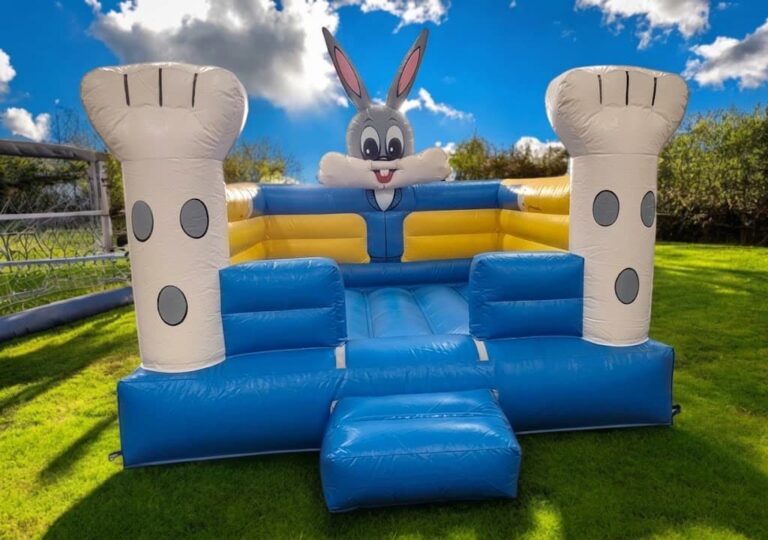
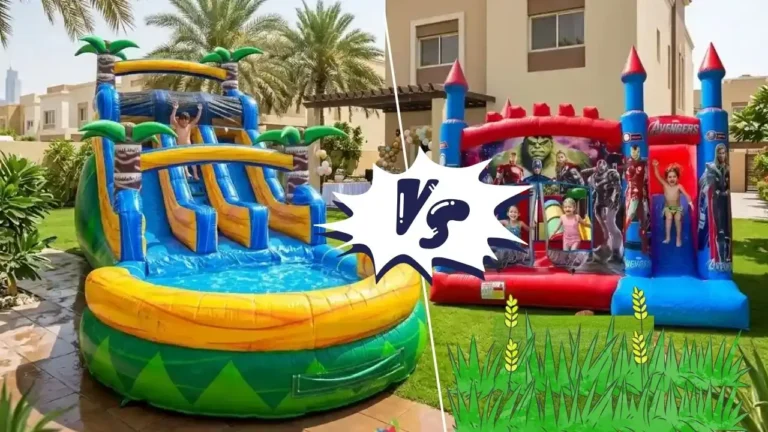
Inflatables can add a more active element to a school fair or children’s carnival. Depending on the venue and the event plan, a bouncy castle may work alongside smaller booths to provide a different type of activity.
However, an inflatable requires more planning than a tabletop game. Check the available space, surface, access to power where required, supervision arrangements and the supplier’s operating instructions before confirming the booking.
You can review bouncy castle rental in Dubai to explore an option for your event.
Do not place an inflatable where it blocks an exit, overlaps a queue or interferes with other activities. The final arrangement should follow the venue’s requirements and the supplier’s safety guidance.
How to Organise Volunteers and Queues
Volunteers help keep carnival booths running smoothly. Give each person a clear role before the event starts so they know what to do during busy periods.
For each booth, decide who will explain the rules, supervise turns, manage materials and distribute prizes. For activities with a high number of participants, having an additional volunteer may help reduce waiting times.
You can manage queues by using a marked waiting line, limiting the number of attempts per turn and keeping the rules short. If a game becomes too busy, temporarily direct visitors towards another available booth.
Prepare a small supply box with pens, tape, spare materials, score sheets and other essentials. This reduces interruptions when something runs out or needs replacing.
A Simple Carnival Booth Setup Checklist
Use this checklist to prepare your booths before the event.
Before the event
- Confirm the venue, available space and event schedule.
- Select activities suitable for the expected age groups.
- Estimate the number of participants and required prizes.
- Arrange equipment, tables, chairs and decorations.
- Assign volunteers and explain their responsibilities.
- Confirm any school approvals, food rules and supplier requirements.
On setup day
- Position booths according to the floor plan.
- Test each game and check that the equipment is stable.
- Put up clear signs with simple instructions.
- Keep entrances, exits and walking routes clear.
- Place prizes and materials where volunteers can reach them easily.
- Check that active games have suitable space and supervision.
During the event
- Monitor queues and adjust arrangements when needed.
- Refill materials and prizes when necessary.
- Keep the area tidy and remove damaged equipment.
- Address any safety concerns promptly.
- Make sure children know where to go for help.
For school events in Dubai, organisers should also confirm the relevant approval and planning requirements with their school administration. KHDA provides information about its approval process for annual school activities. Requirements can vary depending on the activity and circumstances, so check the applicable guidance before finalising the event.
Common Mistakes to Avoid When Planning Carnival Booths
A little preparation can prevent many problems on the day.
Choosing games without considering the age group: A game that works well for older children may be too difficult for younger participants. Offer a mix of simple and more challenging activities.
Underestimating the number of materials needed: Running out of beanbags, craft supplies or prizes can interrupt the event. Estimate quantities in advance and keep essential spares.
Ignoring queue space: A booth may fit comfortably on paper but become crowded when children gather around it. Include waiting space in the layout.
Making instructions too complicated: Long explanations slow down games. Keep the rules short and use a demonstration where necessary.
Leaving volunteer roles unclear: Without assigned responsibilities, tasks can be missed. Give each volunteer a defined role and explain who to contact if a problem arises.
Treating safety as an afterthought: Check equipment, walkways and activity areas before opening the booths. Follow the venue’s requirements and the instructions for any hired equipment.
Frequently Asked Questions
How many booths should a school carnival have?
There is no fixed number. The right number depends on the available space, event duration, expected attendance and number of volunteers. A smaller event can work well with a handful of well organised booths, while a larger carnival may need more activities to spread out demand.
What are the easiest carnival games to set up?
Ring toss, beanbag toss, guess the number and simple puzzle challenges are generally easy to prepare. They require relatively few materials and can be adapted for different age groups.
How can we make a carnival booth affordable?
Reuse suitable materials, borrow equipment where possible and choose games that do not require expensive supplies. Set a budget for prizes before shopping and focus on activities that are easy to reset between participants.
How can we keep younger children engaged?
Choose simple games with clear rules, shorter turns and suitable prizes. Keep younger children away from activities that are too difficult for their age or require more space than they can safely use.
What should we check before hiring equipment for a school carnival in Dubai?
Confirm the equipment dimensions, venue access, delivery and collection arrangements, setup requirements and supervision instructions. For inflatables or other larger equipment, check the supplier’s safety guidance and the venue’s requirements before confirming the bookin