School Event Planning Checklist for Dubai Schools
Organising a school event involves much more than choosing a date and inviting students and parents. School administrators and PTA committees must coordinate the venue, equipment, staff, activities, suppliers, communication and final arrangements.
If you don’t have a plan, tiny problems can easily spiral out of control. Tables may arrive late, there may not be enough space in the activity areas, volunteers may not know what to do, or required equipment may be missing.
A practical school event planning checklist helps the organising team keep these details together. It provides a clear way to assign responsibilities, track deadlines and prepare for unexpected changes.
For schools in Dubai and across the UAE, planning should also reflect the venue, season, expected attendance and the school’s own approval and safety procedures.
This guide provides a step-by-step planning process, an equipment checklist, a setup timeline and a printable list that school teams can adapt to different functions.
1. Define the Purpose and Scope of the Event
Before you book any equipment or activities, consider what you want the event to achieve. A school event can be an annual function, cultural celebration, sports day, parent meet, fund-raising event or end-of-term celebration. Each format has different arrangements.
Start by answering these questions:
- What’s the event about?
- Who is going to be there, students, parents, staff or invited guests?
- What are the age groups going to be?
- How many people are you expecting?
- Will it be on school property or off-site?
- What is the approved budget?
- Who will make the final decisions?
Record the answers in a short event brief. This document becomes the reference point for the team and helps prevent unnecessary purchases or activities that do not support the event’s purpose.
Assign clear responsibilities
The school event committee may include the event lead, location coordinator, equipment coordinator, activity coordinator, communications contact and safety lead. Smaller events can share this responsibility, but every major duty should have a named owner.
| Role | Main responsibility |
| Event lead | Overall coordination, decisions and progress checks |
| Venue coordinator | Venue access, layout and facilities |
| Equipment coordinator | Inventory, supplier arrangements and delivery |
| Activity coordinator | Activity schedule, materials and supervision |
| Communications contact | Instructions for staff, students and parents |
| Safety lead | Checks based on the school’s procedures and venue requirements |
A written responsibility list is particularly helpful when several departments or PTA volunteers are involved.
2. Build a School Event Planning Timeline
One of the most useful parts of school function planning is deciding when each task must be completed. The timeline should reflect the event’s size, complexity and approval process rather than relying on a fixed number of days for every event.
| Stage | Tasks to complete |
| Initial planning | Define objectives, form the committee and estimate attendance |
| Venue and approvals | Confirm the venue, availability and applicable approval requirements |
| Programme design | Select activities, prepare the schedule and identify staffing needs |
| Supplier coordination | Request quotations and confirm equipment, delivery and collection |
| Preparation | Finalise the layout, communicate instructions and check inventory |
| Before opening | Inspect the venue, test equipment and brief staff and volunteers |
| During the event | Monitor attendance, activities, queues and any changes |
| After closing | Coordinate departures, return equipment, clean the venue and collect feedback |
Create a shared task tracker with columns for the task, owner, deadline, status and notes. This makes overdue tasks visible and reduces dependence on scattered messages.
For larger events, add separate deadlines for rehearsals, stage requirements, registration, catering and guest communications.
3. Use a School Event Equipment Checklist
The equipment needed depends on the event format, the venue’s existing facilities and the number of attendees. An annual stage function may require microphones and presentation equipment, while a family activity day may need tables, chairs, game materials and refreshment stations.
Use this school event equipment checklist to begin your inventory.
| Equipment category | Items to check | Questions to resolve |
| Seating and furniture | Tables, chairs, registration desks | How many are needed, and where will they go? |
| Signage | Direction signs, schedules, information boards | Can guests find entrances and activity areas easily? |
| Audio and presentation | Microphones, speakers, projector, screens | Are these required, available and tested? |
| Activity materials | Craft supplies, game materials, stationery | Are quantities sufficient for expected participation? |
| Registration | Guest list, name labels, check-in materials | Who will manage arrivals? |
| Refreshments | Serving tables, cups, bins and approved supplies | Where will refreshments be served? |
| Safety and access | First aid arrangements, exit signs and access routes | Do arrangements meet the school’s procedures and venue requirements? |
| Cleaning and storage | Waste bins, cleaning supplies and storage space | Who will manage waste and return borrowed items? |
Mark every item as available, borrow, purchase or rent. This simple classification helps avoid buying items the school already owns.
Also record who is responsible for each item, when it must arrive and where it will be stored before use.
How to estimate equipment quantities
Do not estimate furniture or activity materials from the total student enrolment alone. Use expected attendance, the event format, the seating plan and the number of people using each activity at one time.
For example, a registration area has to be able to handle arrivals without creating a long queue. The working area on an activity table should be adequate for the number of people expecting to participate. Seating may be needed for the expected audience that will attend a presentation.
Confirm dimensions, quantities and availability with the venue or supplier before finalising the floor plan.
4. Plan the School Event Setup
A detailed school event setup plan shows where every major area will be placed and how guests will move between them. A layout is useful even for a small event because it helps the team identify space conflicts before equipment arrives.
Registration and entrance
Put the registration desk where it is easy for arriving visitors to find yet does not impede the main entrance. If you foresee large numbers of people, think about having different check-in stations for different groups but only if it will be obvious and doable.
Seating and Assembly Areas
Arrange chairs and tables according to the programme. Ensure that there are appropriate routes for the movement of visitors and workers and that accessible routes and emergency exits are not hindered.
Activity and demonstration areas
Plan activities according to their space, noise and supervision needs. If possible, keep active activities apart from gentler workshops. Consult provider for equipment-specific operating space.
Refreshment and waiting areas
Give them adequate room to wait so that they are not in the way of activity stations or pathways. Store refreshments away from anything that can be damaged by spills.
Storage and staff coordination
Identify a secure, practical area for spare materials, staff supplies and equipment that is not currently in use. Make sure the event team knows where to find it.
If furniture is needed, review table and chair rental options in Dubai and confirm quantities, sizes, delivery times and collection arrangements before the event.
5. Organise School Activities Around the Programme
School activity planning should start with the event’s purpose and the students who will participate. Not every event needs entertainment stations. Some require performances, demonstrations or presentations, while others benefit from interactive activities.
Choose a format that suits the available time, venue and supervision arrangements.
| Event format | Possible activities | Preparation required |
| Annual school function | Student performances, speeches and awards | Running order, rehearsal schedule and audio checks |
| Sports day | Age-appropriate games and team activities | Playing area, equipment and staff assignments |
| Parent and student event | Collaborative tasks, displays and workshops | Activity instructions, tables and materials |
| Cultural celebration | Exhibitions, presentations and creative displays | Display materials, schedule and relevant school approvals |
| School activity day | Craft stations, simple games and group challenges | Materials, station layout and supervision |
| Fundraising event | Approved stalls, activities and information points | Budget tracking, volunteer assignments and applicable approvals |
For a school carnival, a separate school carnival planning guide covers game ideas, booths and event-specific arrangements. Keep this checklist focused on the broader operational process so the two resources serve different planning needs.
Match activities to available resources
Before confirming an activity, check its materials, space, duration and staffing requirements. An activity that takes only a few minutes may still need extra room for a queue or time between participants.
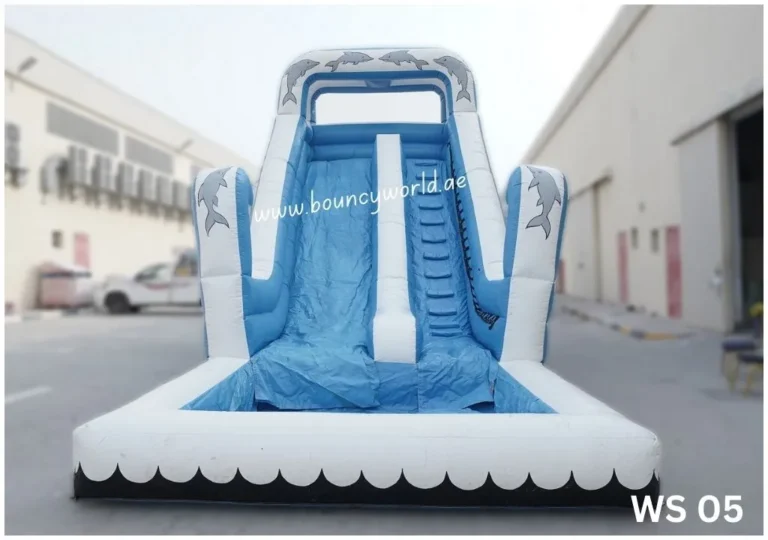
If an event includes inflatable attractions, confirm the equipment’s suitability, capacity, installation conditions and supervision arrangements with the supplier. HaflaRental’s bouncy castle rental service in Dubai is one option to review if an inflatable is appropriate for the venue and event.
Do not assume an attraction is suitable simply because there appears to be enough floor space. Follow the specific supplier instructions and the school’s procedures.
6. Prepare Staff and Volunteer Assignments
Even a well-equipped venue can become difficult to manage if no one knows who is responsible for each area.
Prepare a duty roster before event day. Include the person’s role, assigned location, start time, break arrangements and the contact person they should approach if a problem occurs.
Typical responsibilities include:
- Welcoming guests and managing registration.
- Directing attendees to the correct areas.
- Setting up and replenishing activity materials.
- Supporting teachers and activity supervisors.
- Coordinating suppliers and deliveries.
- Monitoring queues and keeping walkways clear.
- Managing waste and end-of-event cleanup.
Give volunteers a short briefing before the event opens. Explain the schedule, emergency communication process, activity boundaries and what to do if an item is missing or a programme change is needed.
Do not assume that a volunteer can supervise specialist equipment without appropriate instructions or support. Assign responsibilities according to the person’s role and the requirements of the activity.
7. Check Approvals, Safety and Accessibility
Schools in Dubai should confirm the relevant approval process with their administration before committing to an event programme. Requirements can depend on the school, the type of activity, the venue and whether an external organiser is involved.
The KHDA service for approval of annual school activities and programmes explains the process for Dubai private schools seeking approval for annual programmes. KHDA also states that schools remain responsible for relevant health and safety arrangements and that third-party providers must have the appropriate approvals and licences for their activities.
Use the following as a planning prompt, not as a substitute for checking the requirements that apply to your particular event:
- Confirm the school’s internal approval.
- Ask whether external permissions or venue approvals are required.
- Confirm the supplier’s relevant licence and activity requirements.
- Review emergency procedures and communication arrangements.
- Keep emergency exits and access routes clear.
- Confirm supervision responsibilities and any activity restrictions.
- Consider guests who need accessible routes, seating or alternative activities.
- Follow the school’s process for parental information and consent where applicable.
If the event takes place outside the school, check the venue’s conditions and any applicable event requirements before confirming the booking.
8. Prepare for Delays and Unexpected Changes
A practical contingency plan identifies what the team will do if an important part of the event changes. It does not need to be complicated.
| Possible issue | Preparation |
| Supplier arrives late | Confirm delivery windows and keep the supplier’s contact details available |
| Equipment is missing | Check inventory before opening and identify essential backup items |
| Activity area becomes crowded | Prepare an alternative queue arrangement or adjust the activity schedule |
| Weather affects an outdoor event | Confirm an appropriate indoor alternative or a clear postponement process |
| Audio or presentation equipment fails | Test it in advance and identify available backup equipment |
| A volunteer is absent | Assign a backup contact for essential duties |
| Attendance differs from the estimate | Prepare a way to adjust seating, materials and registration |
The goal is not to predict every possible problem. It is to identify which issues would disrupt the event most and agree on a response before they occur.
9. Create a School Event Day Run Sheet
A run sheet puts the key activities in chronological order. Share it with the people who need it, and include the person responsible for each major task.
Here is an example for a school event that opens to guests at 9:00 am. Adjust the times to match the actual programme.
| Time | Task | Responsible person |
| 7:00 am | Venue access and initial inspection | Venue coordinator |
| 7:15 am | Furniture and equipment placement | Setup team |
| 8:00 am | Activity materials and signage check | Activity coordinator |
| 8:20 am | Audio, presentation and equipment testing | Technical contact |
| 8:35 am | Staff and volunteer briefing | Event lead |
| 8:45 am | Final safety and readiness checks | Assigned leads |
| 9:00 am | Guest arrival and registration | Welcome team |
| During event | Monitor schedule, activities and guest flow | Event team |
| Closing time | Guide departures and begin pack down | Assigned leads |
| After closing | Equipment return, cleaning and review | Operations team |
Build in realistic setup and pack-down time. If suppliers have specific access or collection windows, include those in the run sheet rather than leaving them in separate messages.
10. Review the Event After It Ends
The final part of school function planning is reviewing what happened. A short review can help the school avoid repeating problems at its next event.
Record attendance, supplier issues, missing equipment, schedule changes and feedback from staff or volunteers. If the event included registration or a budget, reconcile the records with the responsible team.
Ask a few practical questions:
- Did guests find registration and activity areas easily?
- Was the equipment ready when it was needed?
- Were staff responsibilities clear?
- Did the schedule allow enough time for each activity?
- What should be changed before the next event?
Keep the review factual and focused on improvements. The purpose is to make future planning more efficient, not simply to produce a list of mistakes.
Printable School Event Planning Checklist
Use this condensed checklist during planning meetings and before opening the venue.
Planning and coordination
- Define the event purpose and target audience.
- Estimate attendance and confirm the budget.
- Assign an event lead and task owners.
- Confirm the venue and event date.
- Check applicable school, venue and activity approvals.
- Create a timeline and shared task tracker.
Equipment and suppliers
- Complete the equipment inventory.
- Mark items to borrow, purchase or rent.
- Confirm quantities, dimensions and delivery arrangements.
- Check audio, presentation and registration equipment.
- Prepare activity materials and signage.
- Confirm supplier contacts, setup windows and collection times.
Setup and people
- Finalise the venue layout.
- Confirm registration, seating and activity zones.
- Keep access routes and emergency exits clear.
- Assign staff and volunteer responsibilities.
- Share the event-day run sheet.
- Brief the team before guests arrive.
Readiness and closeout
- Test equipment and inspect activity areas.
- Confirm supervision and emergency arrangements.
- Check contingency plans.
- Monitor the programme during the event.
- Coordinate guest departure and equipment removal.
- Clean the venue and record feedback.
Final Thoughts
A well-organised school event starts with clear responsibilities, a realistic timeline and a complete equipment inventory. When the team plans the venue layout, activities, staffing, approvals and contingency arrangements together, it becomes easier to identify problems before event day.
Use this school event planning checklist as a working document and adapt it to the event’s purpose, expected attendance and venue. For equipment that the school does not already have, compare suitable rental options and confirm all practical arrangements with the supplier before finalising the programme.
Frequently Asked Questions
Who should lead school event planning?
The school should name someone with some power to plan the event. They should be backed up by staff or PTA members who take responsibility for certain aspects. The exact team depends on the size of the event and the school’s internal structure.
Should equipment be purchased or rented for a school event?
Compare the event’s needs with the equipment already available at the school. Renting may be practical for items needed occasionally or in larger quantities, while frequently used supplies may be suitable for purchase. Compare the total cost, delivery, setup and storage requirements before deciding.
How can a school keep the event within budget?
Set expenditure limitations for each category. Get quotes from suppliers. Assign purchase approval responsibilities. Keep a reserve for unforeseen costs and assess modifications to programmes before incurring more expenditure.
What should be included in the event-day run sheet?
Include timings, task owners, venue access, supplier arrivals, setup checks, guest opening, programme changes, closing and pack-down arrangements. Provide the latest version to everyone who needs to coordinate the event.
When should the school collect feedback?
Ask for comments right after the event when it’s still top of mind. A brief form for staff, volunteers or participating families can point out what went well and what needs to be changed next time.